Email Marketing
Why Personalisation is Key in Email Marketing and How to Get it Right
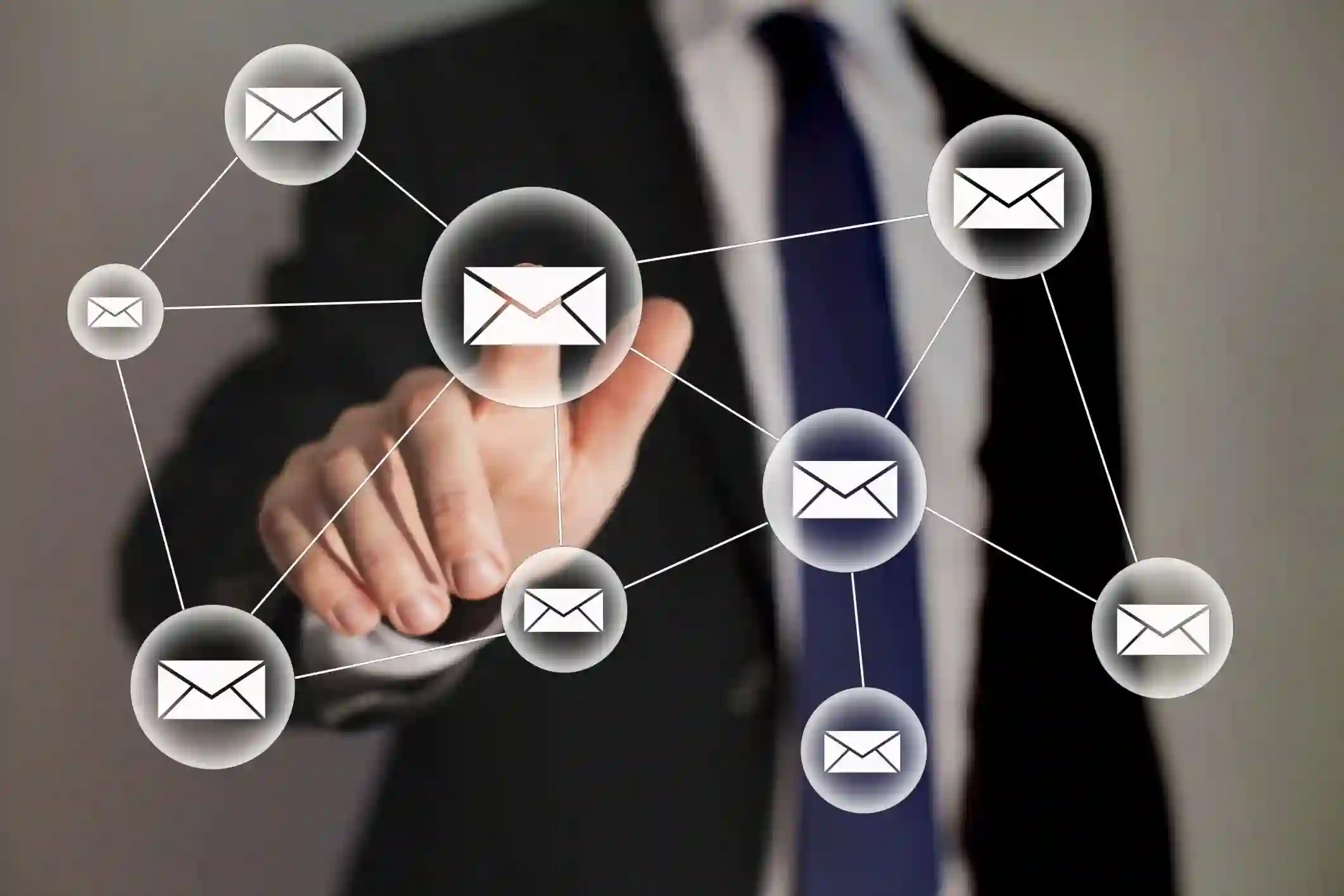
Unlocking Email Marketing Success: The Importance of Personalisation
In the ever-evolving landscape of digital marketing, personalisation has emerged as a key strategy in email marketing. As consumers become more discerning, the demand for tailored content has surged. To stand out in crowded inboxes, brands must embrace this trend, transforming generic messages into experiences that resonate with individual recipients.
The Benefits of Personalisation
Personalisation is not merely a buzzword; it is a potent tool that fosters engagement and builds stronger connections with customers. Tailored messages can increase open rates, click-through rates, and ultimately, conversion rates. When customers see their name in the subject line or receive recommendations based on their previous purchases, they feel valued and understood.
Enhancing Customer Experience
At the heart of effective email marketing lies the customer experience. By leveraging data and insights, brands can craft messages that align with the preferences and behaviours of their audience. This not only improves satisfaction but also cultivates loyalty. A well-executed personalisation strategy can turn a one-time buyer into a lifelong customer.
Strategies for Effective Personalisation
To achieve successful personalisation, it begins with data collection. Marketers should gather relevant information through sign-up forms, surveys, and customer interactions. This data serves as the foundation for creating targeted campaigns that speak directly to the needs and desires of the audience.
Segmentation Techniques
Segmentation involves dividing your audience into smaller, more manageable groups based on shared characteristics. This can include demographics, purchase history, or engagement levels. By applying segmentation techniques, marketers can tailor messages that resonate deeply with each group.
Utilising Dynamic Content
Dynamic content takes personalisation a step further. By integrating elements that change based on user behaviour or preferences, brands can create emails that feel uniquely crafted for each recipient. This could be as simple as displaying products that a customer has shown interest in or as complex as generating content based on their browsing history.
Challenges in Email Personalisation
While personalisation offers significant advantages, it also presents challenges. Data privacy remains a critical concern in today’s digital world. Brands must navigate regulations, such as GDPR, ensuring they respect user privacy while still delivering relevant content. Transparency about data usage can foster trust and enhance customer relationships.
Overcoming Barriers to Personalisation
To successfully implement personalisation, brands often face barriers such as limited resources or lack of expertise. Investing in marketing automation tools can streamline processes and enable more sophisticated personalisation strategies. Furthermore, continuous learning and adapting to new trends are vital for staying ahead in the game.
The Future of Email Marketing Personalisation
As technology advances, the future of email marketing personalisation looks promising. Trends such as artificial intelligence and machine learning are paving the way for even more refined targeting. Brands that embrace these technological innovations will likely find themselves at the forefront of the industry, providing exceptional experiences that cater to individual preferences.
| Aspect | Details |
|---|---|
| Benefits | Increased engagement and conversion rates |
| Strategies | Data collection, segmentation, dynamic content |
| Challenges | Data privacy concerns, resource limitations |
| Future Trends | AI and machine learning advancements |